
I wasn’t quite sure what to expect from Christmas Island, other than crabs. What I found instead was a remote island of rainforest and cliffs, where wildlife dominates and Malay and Chinese culture shapes everyday life.
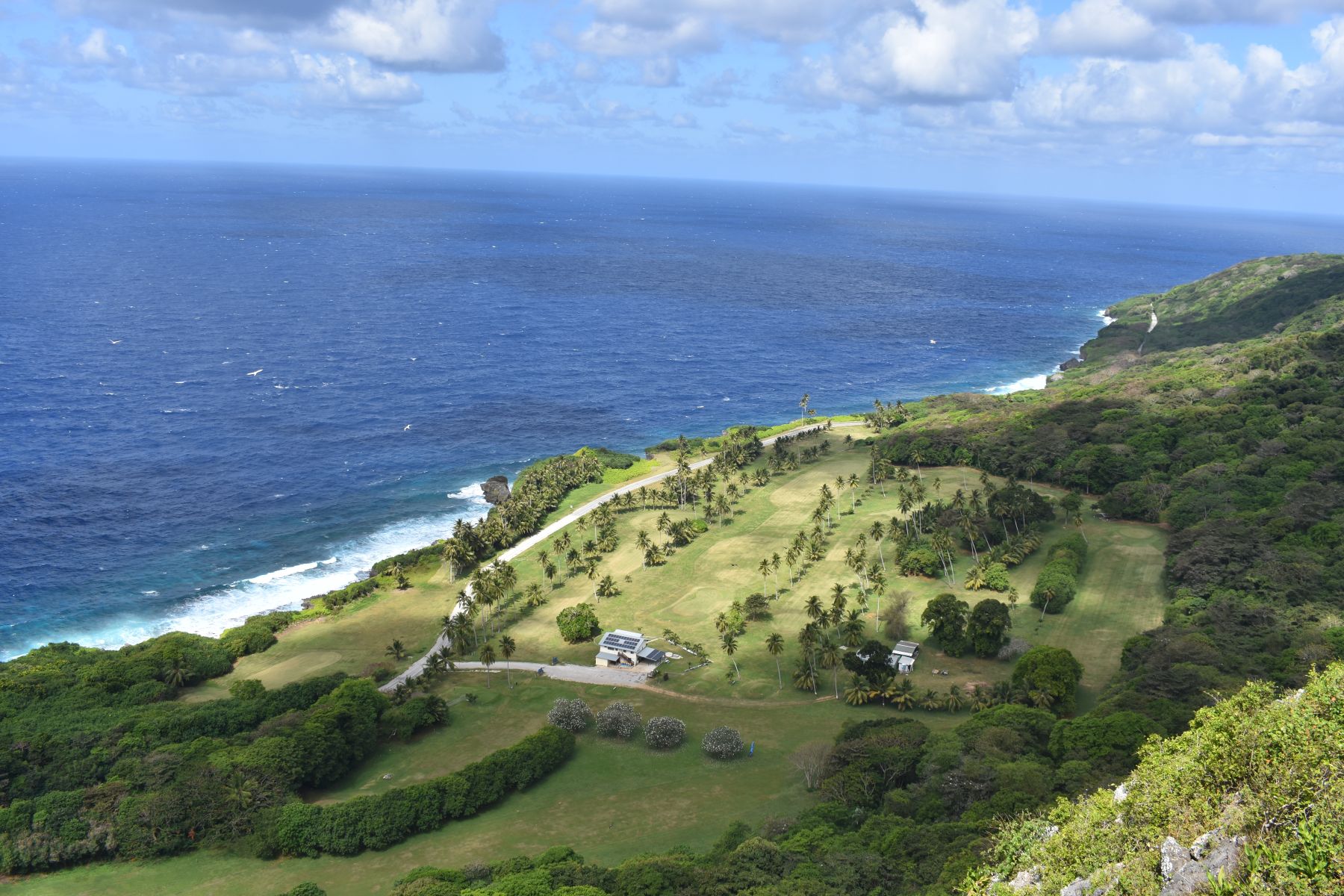
Christmas Island is covered by around 75% of rainforest and when you come in to land you realise just how much of the island is untouched. It is a nature lover’s paradise. The island was an underwater volcano that rose above the sea. It is only the peak of the extinct volcano that is above water, resulting in a coastline of rocky cliffs.
Location and getting to Christmas Island
Christmas Island is part of Australia (Indian Ocean Territory) but it is located closer to Indonesia than Australia. QantasLink flies from Perth to Christmas Island twice a week departing on a Monday and Friday. The flight is under 4 hours and the return flight to Perth stops at Cocos (Keeling) Islands.
Australian residents don’t require a passport or visa to travel to Christmas Island however, all passengers (including children) must show photo ID such as a driver’s licence or passport. It is strange as you are entering an Australian Territory and you still need to fill in an immigration card and clear customs.
Getting around the Island
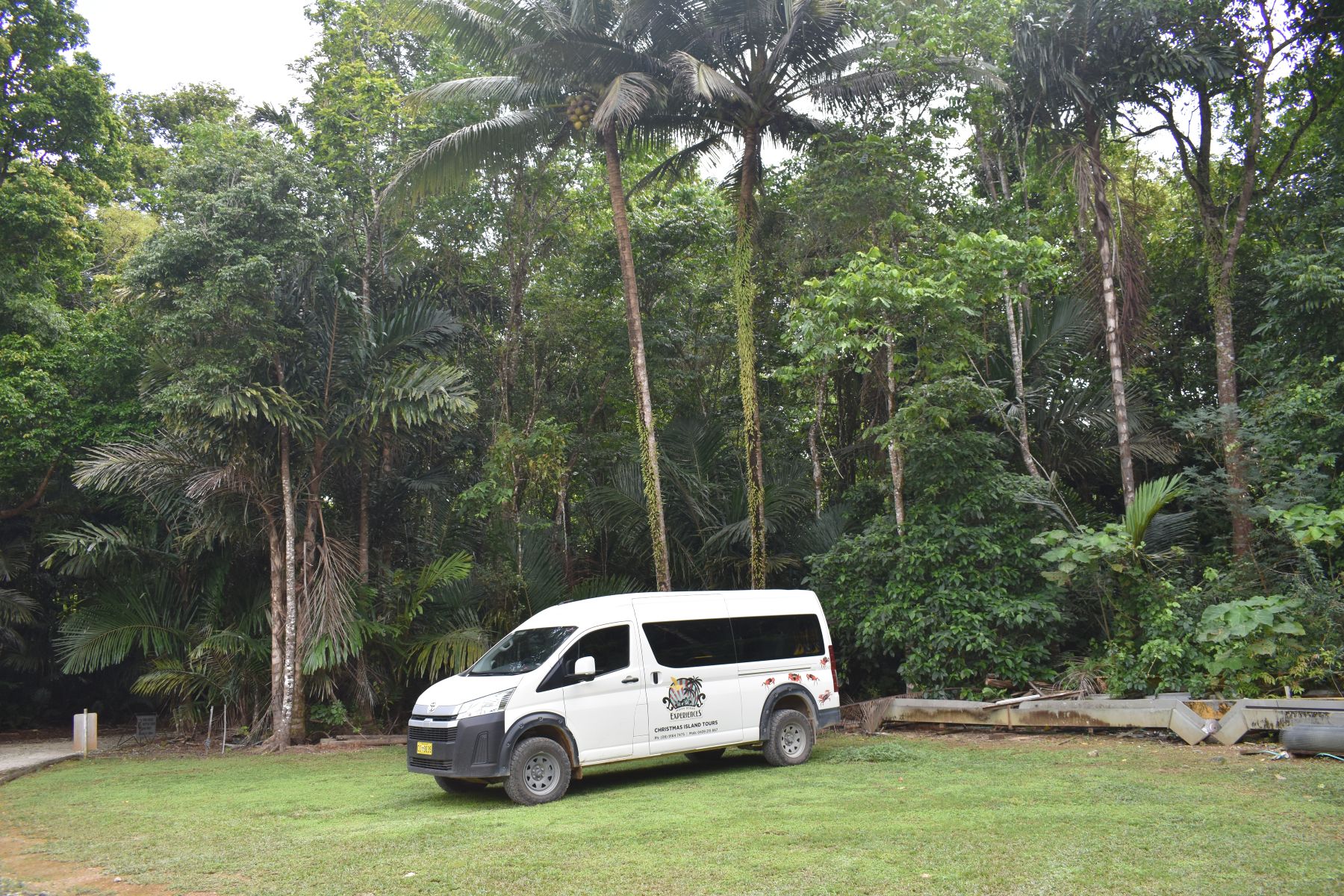
There is no public transport on the island, therefore you need to hire a car. Indian Ocean Experience offers tours and even if you hire a car, I highly recommend doing the Island Orientation Tour. There are so many local shops and attractions that you may miss going it alone. I was lucky enough to have Indian Ocean Experience as my guide for the week and we covered just about everything the island has to offer.
Attractions
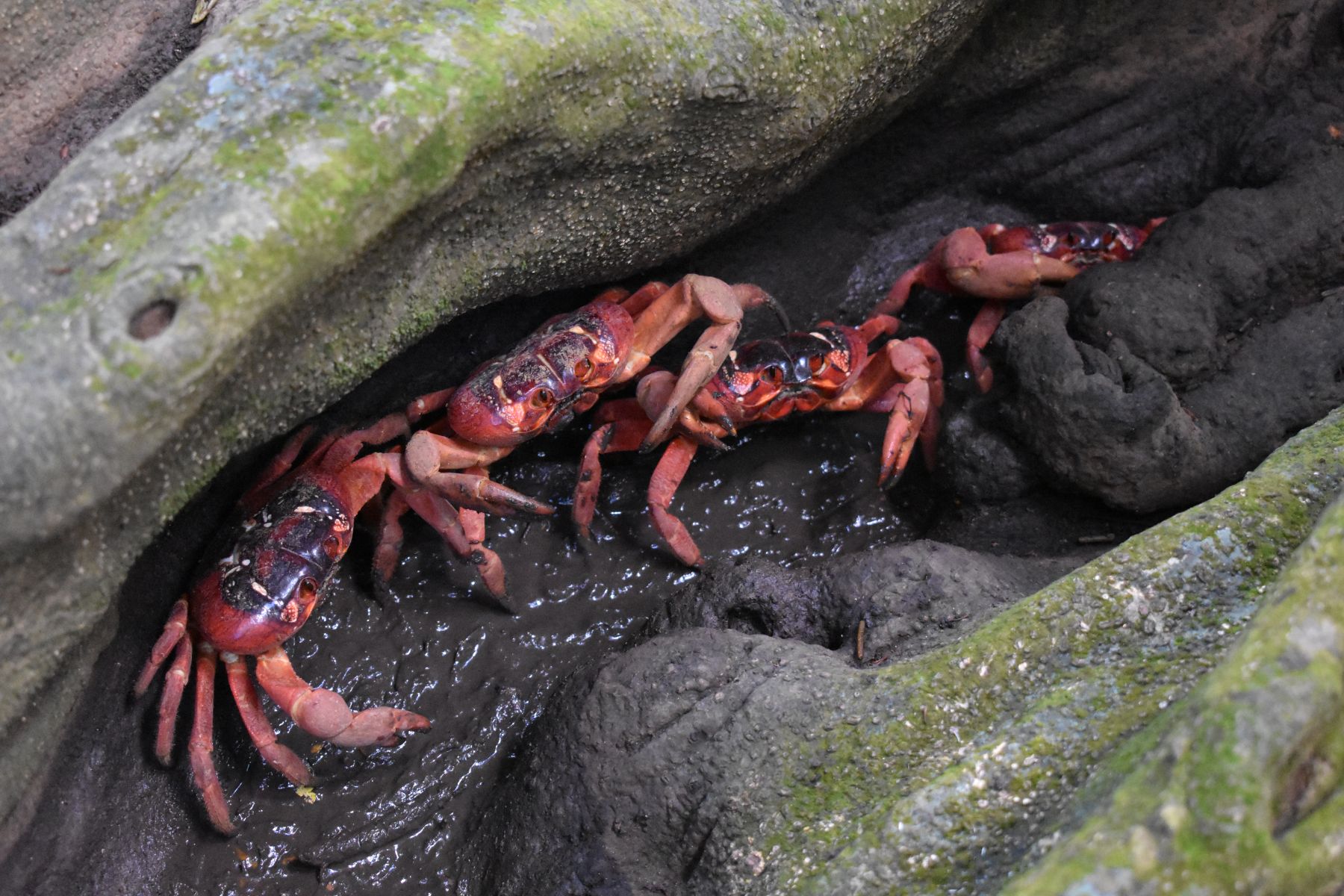
Christmas Island is for all you nature lovers. Walk in the jungle, watch the birds soar along the coastline and you will not go a day without seeing crabs. Christmas Island is known for the red crab migration which is linked to the onset of the first rains from late October to early January. Millions of crabs head to the ocean to release their eggs. Roads get closed during this time and there are even bridges for the crabs to cross the road so they don’t get run over. Don’t worry if you are not there during the migration. as you will still see red crabs on the jungle floor.
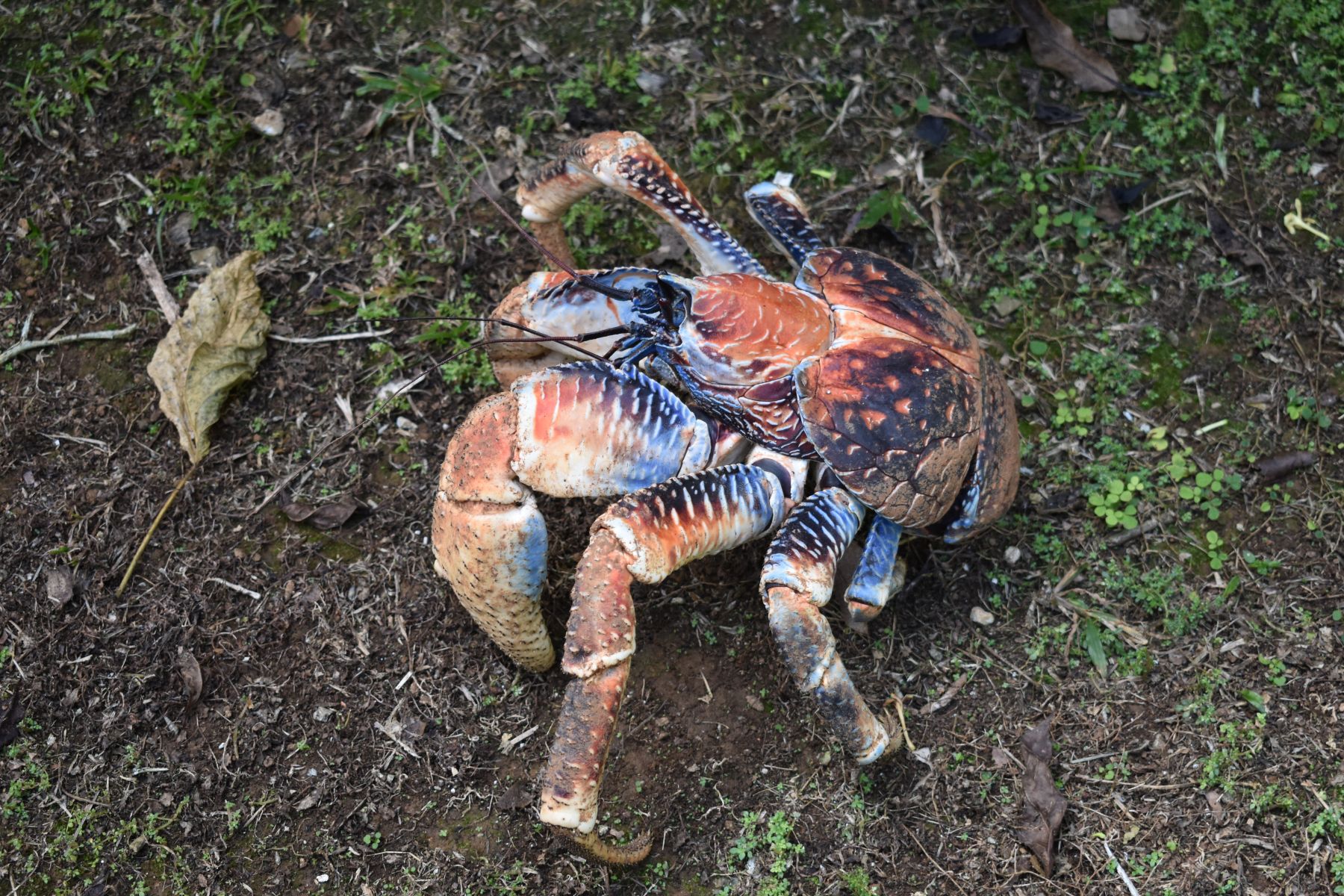
Robber crabs, also known as coconut crabs, are huge and you often see them at the beach. Don’t leave any food around or they will steal it. I guess that is why they are called robber crabs.
Swimming and snorkelling
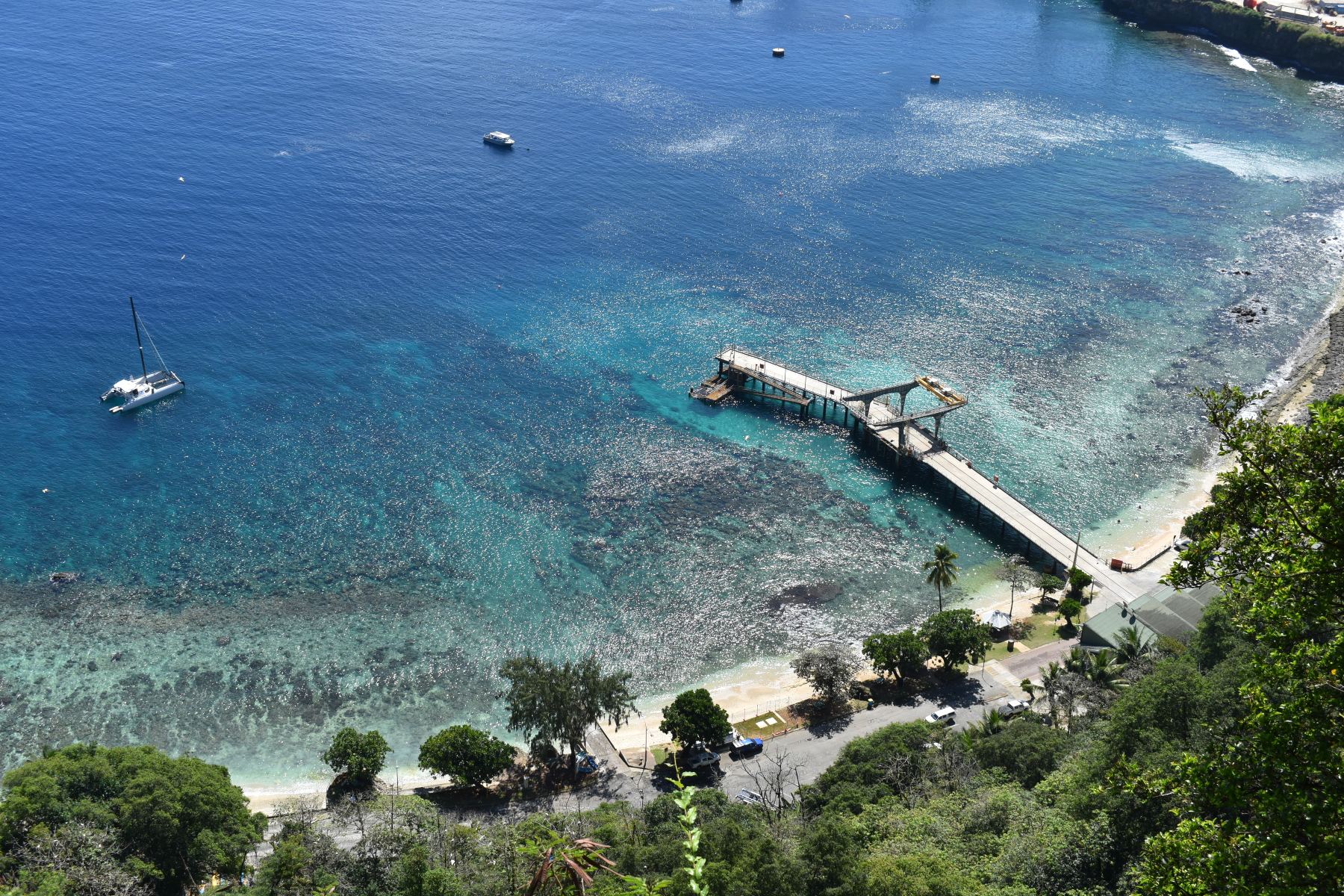
The most popular spot to swim and snorkel is Flying Fish Cove as many of the other beaches have rocks and coral making it hard to access. The snorkelling is amazing, you can go off the jetty and as soon as you put your head in the water you will see an array of fish and coral. We also went out on a boat just around the corner from Flying Fish Cove, where there were caves in the cliff walls which you could swim into if you were brave enough. I spotted a blacktip reef shark and a whitetip reef shark while I was in the water. I believe that is a sign of a healthy reef.
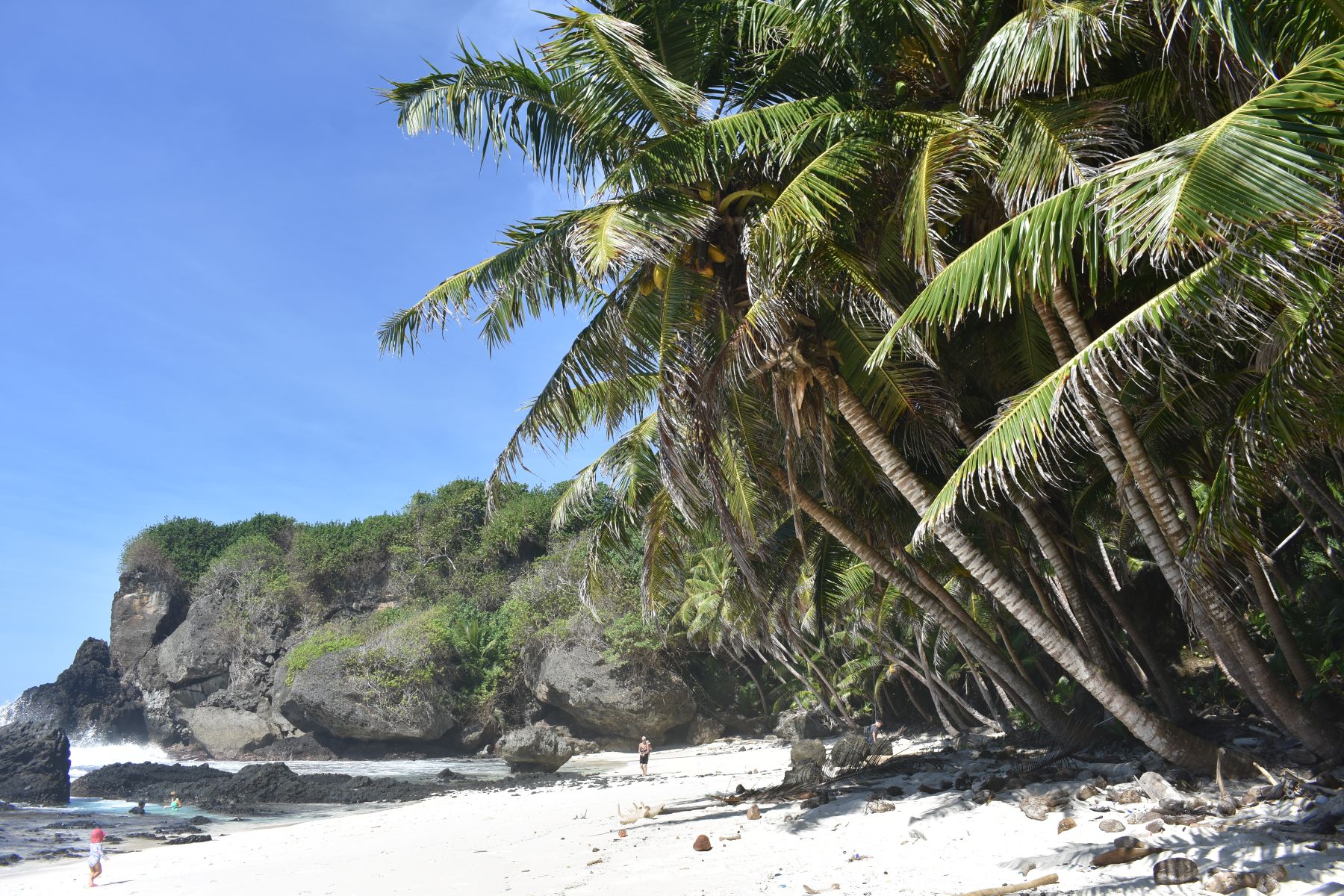
Dolly Beach was my favourite beach with palm-fringed sandy beach, freshwater stream and natural rock pool. There are plenty of robber crabs and turtles nest on the beach. The sad part is there is a lot of plastic pollution washed up on the beach. The school children do a clean up every few weeks. There are bags at the start of the beach for you to pick up rubbish but unfortunately the rubbish just keeps coming in with the tide.
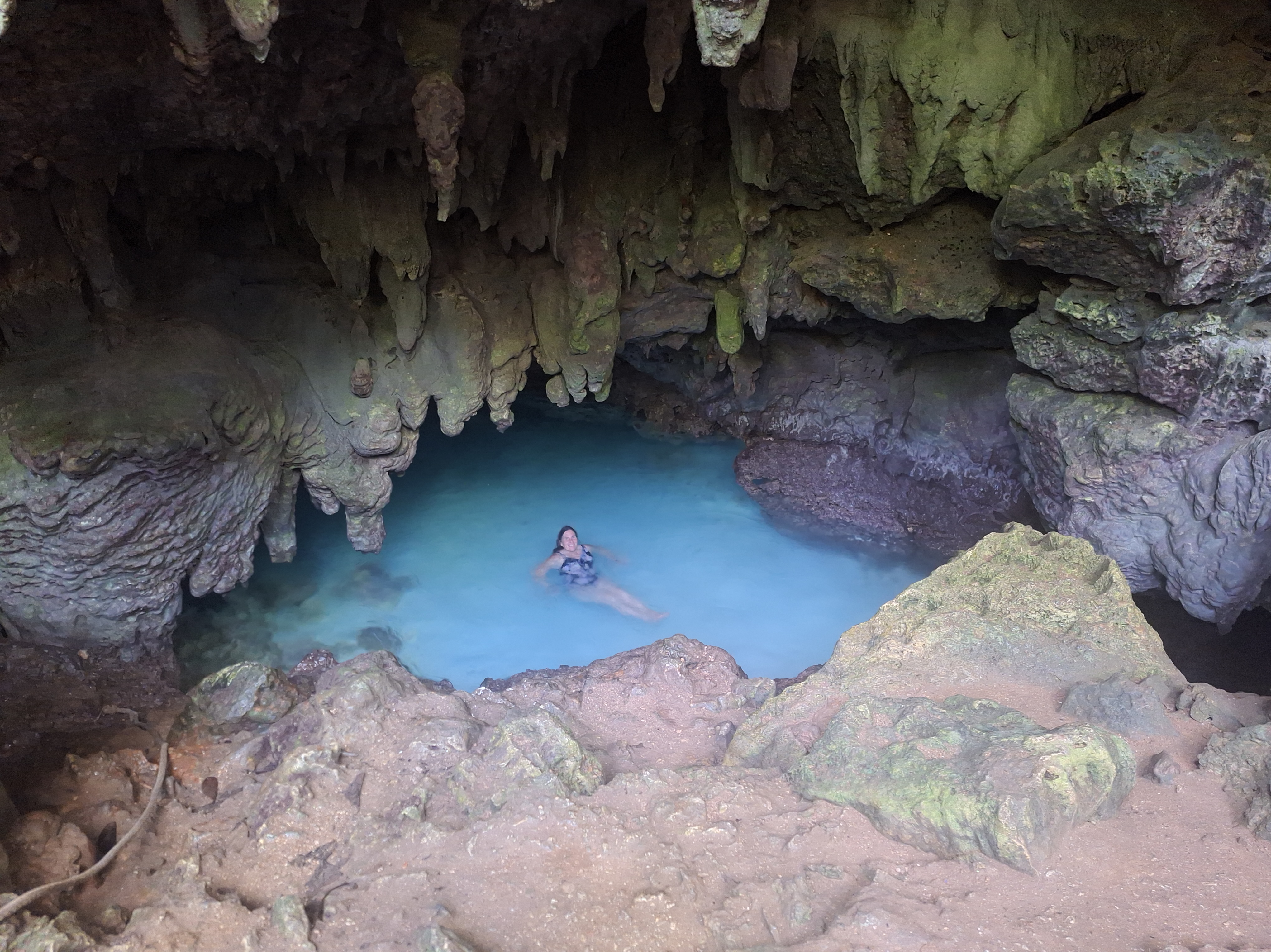
The grotto
Just a short walk from the road, you can find the grotto, a cavern between the jungle floor and the ocean. I got to relax in my own private ocean spa. The tide was low and every now and again you feel a surge from the ocean moving you in the water. Surprisingly the water was a pleasant temperature, and the colour of the water is a stunning bright blue. Climbing out can be a little challenging depending on the tide however there is a rope to give you a bit of extra support. Even if you don’t fancy a swim in the grotto it is worth having a look.
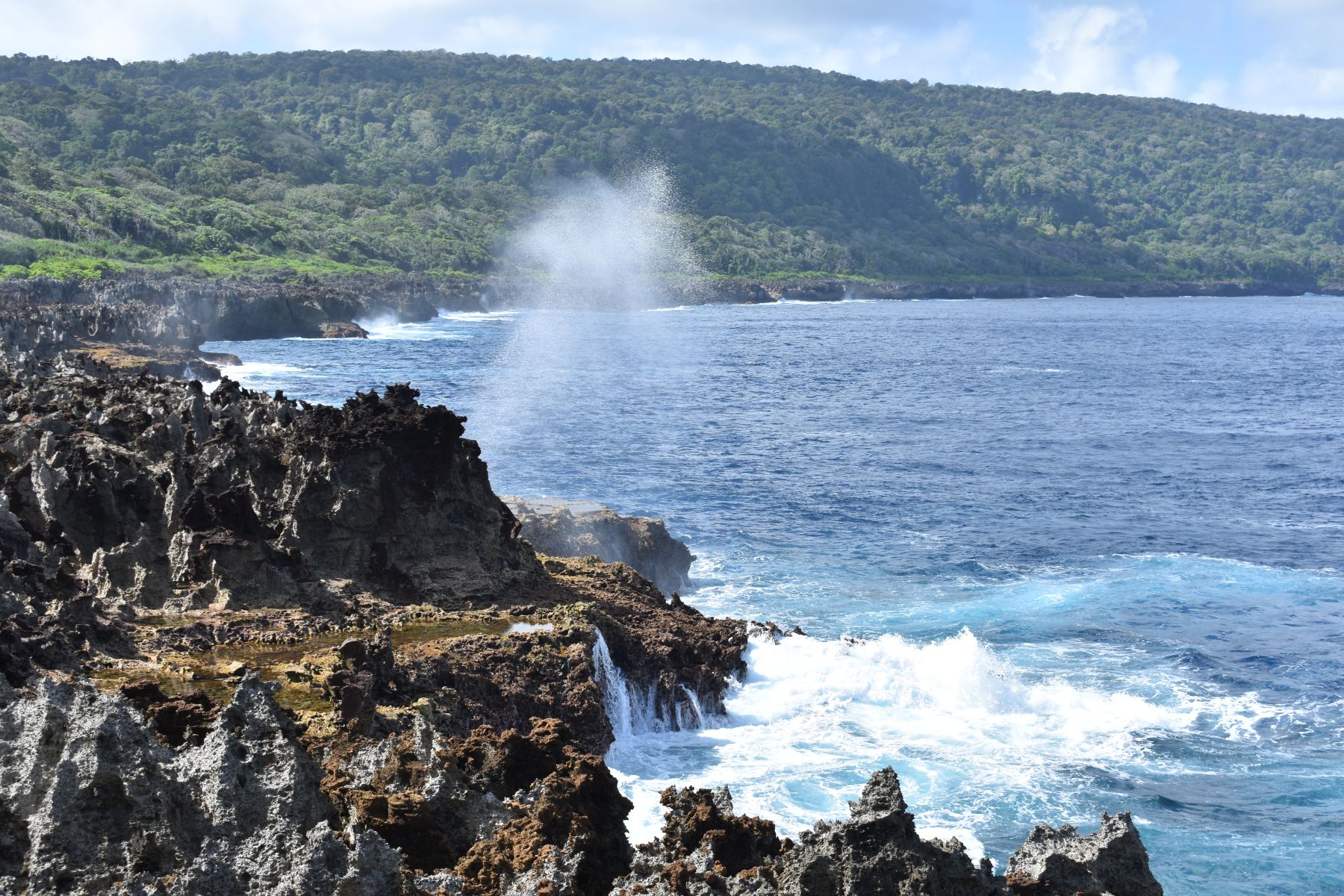
The blowholes
Hear the roar of the ocean as the full brunt of the Indian Ocean forces itself up through the caverns underneath. Stroll along the boardwalk and watch a high-pressure jet of water and spray soar up into the air. It is also nice to get a bit of spray on you to help you cool down from the hot sun.
Bird watching
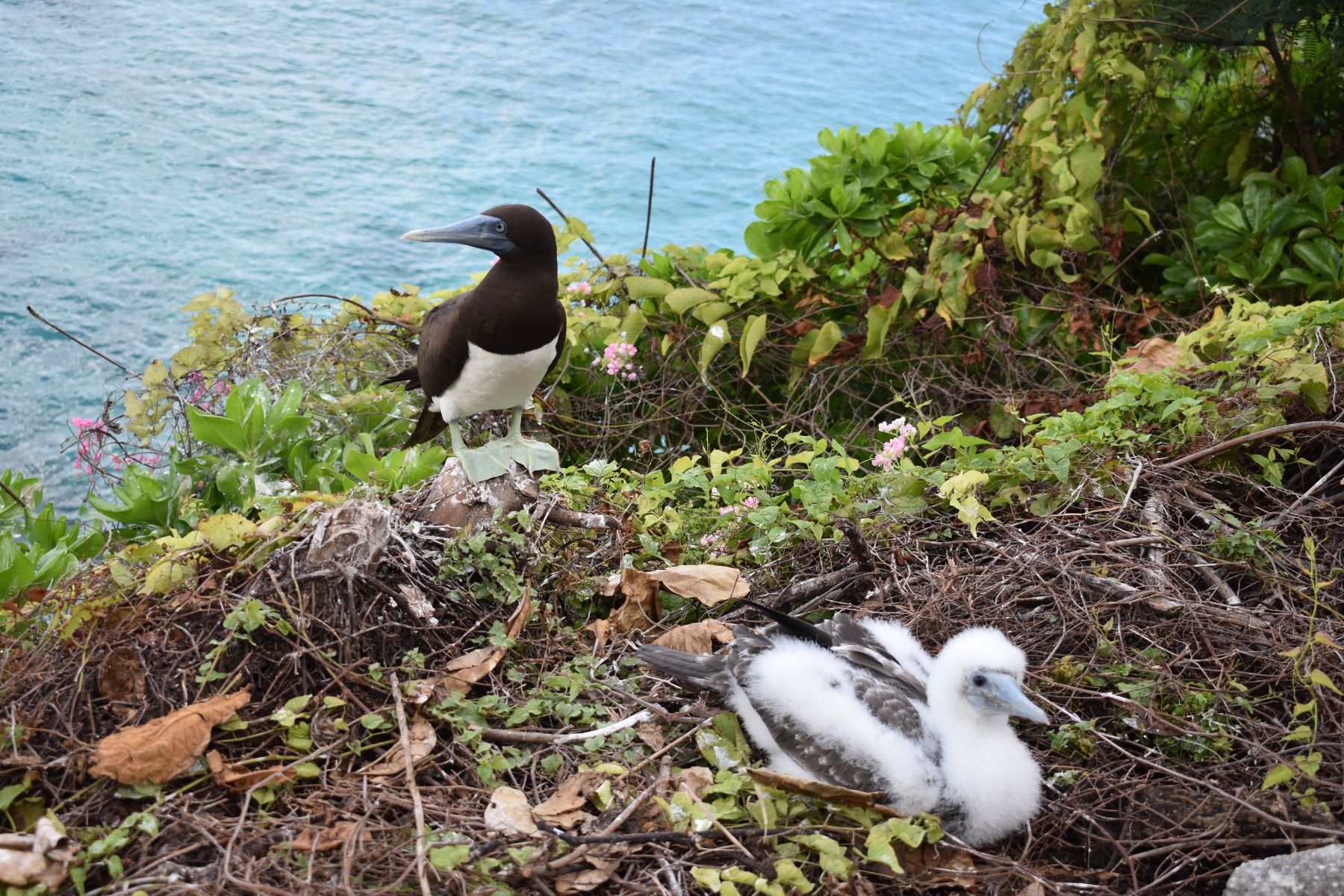
You don’t need to be a full-blown twitcher to enjoy the birds on Christmas Island. In fact, I am just not that into birds and I even enjoyed bird watching. The brown booby nests on the cliff edge and you could get up close to the nest with the baby and parent. Abbott’s booby nest high in the tree, they are endemic to the island. From the golf course lookout, birds were soaring above and we spotted may species including red-tailed tropicbird, red-footed booby, frigatebirds, golden bosun and we even saw a flying fox. The airways were quite busy!
Food and Shopping
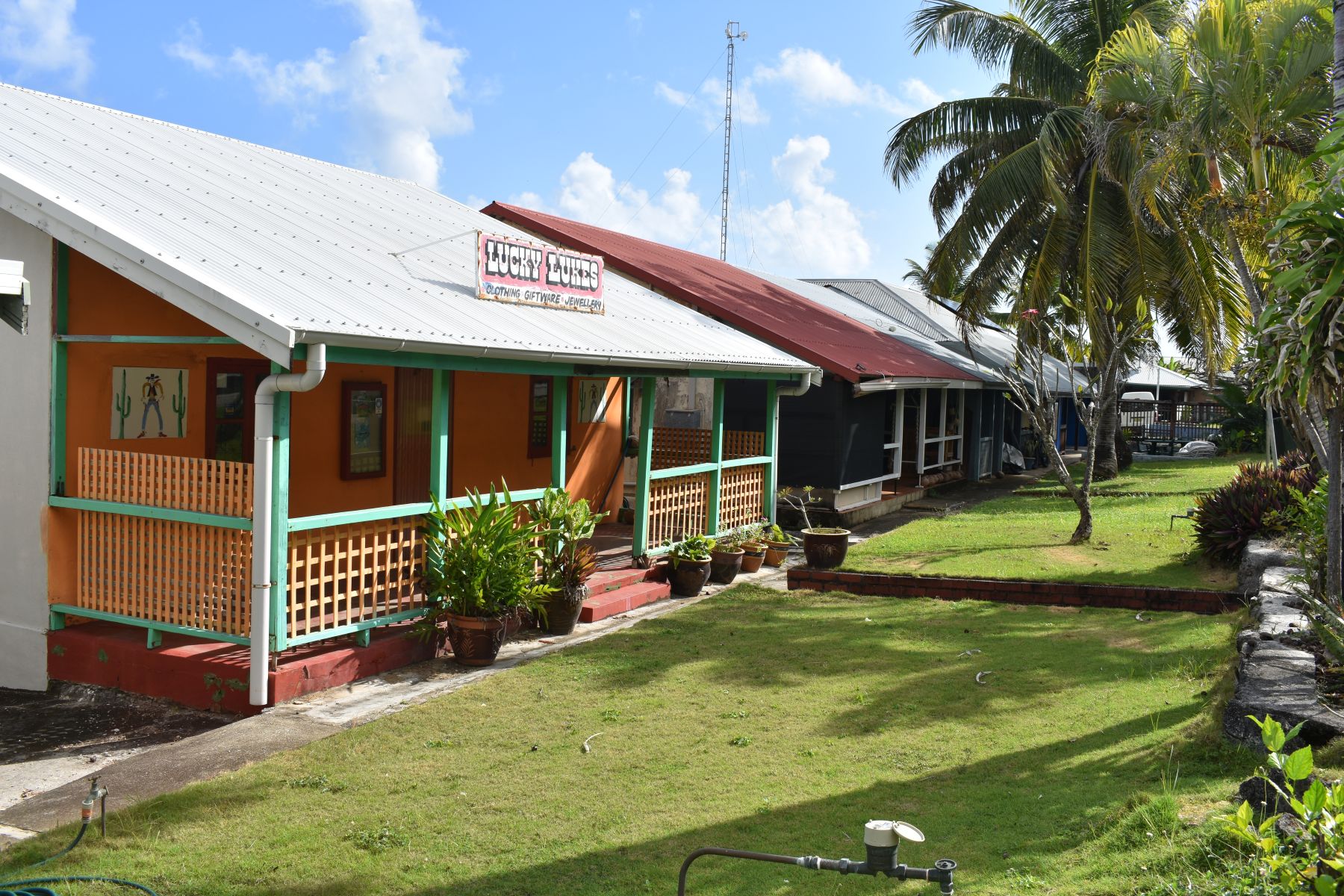
There are two supermarkets on the island and most of the items don’t have prices! Things are expensive as goods are brought in by sea or air freight which increases the price. On the plus side the island is duty free which makes alcohol cheap. Christmas Island is not a place known for its shopping. Many of the shops are only open for a few hours a day and the operating times may vary. Due to the small population, not all the restaurants are open every night of the week, it is best to check with the visitors centre to get the current opening times.
Christmas Island showcases its local roots with Chinese, Malaysian and western food on offer. Rumah Tinggi was my favourite place to eat and enjoy a cocktail on the grass among the palm trees looking out over the ocean.
Accommodation
You will not find large resorts on the island. Instead, there are cosy apartments, cottages and an all-inclusive eco lodge such as Swell Lodge. Most of the accommodation is small and tucked into the island rather than standing out.
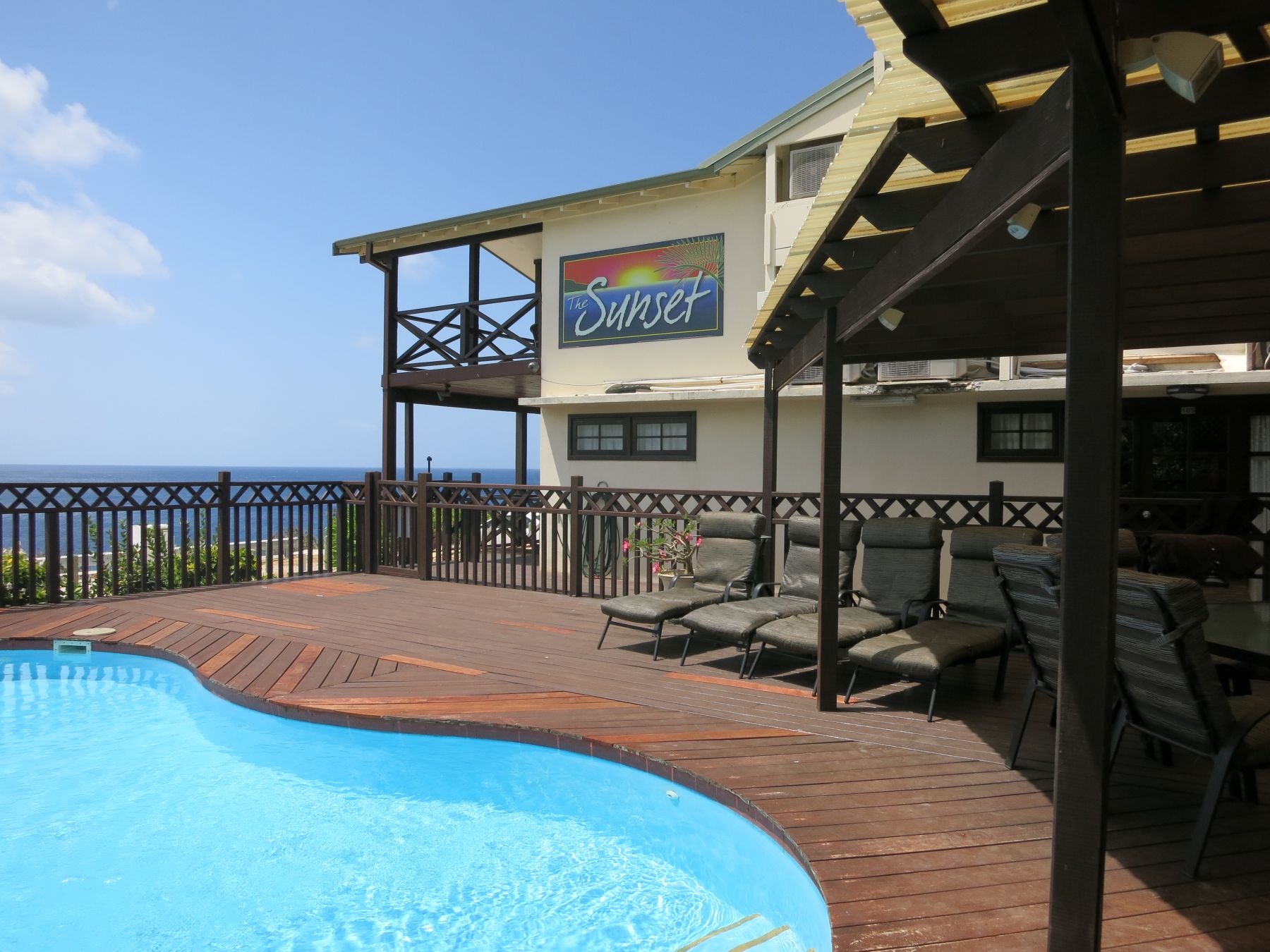
I stayed at The Sunset, a former hospital that has been converted into accommodation. It is located in the settlement and has ocean views. You guessed it, you can watch the sunset over the Indian Ocean. It is also the only accommodation with a swimming pool. The rooms are basic but spacious, and it has a relaxed no fuss feel that suites the island well.
In front of The Sunset, on the cliff edge is Captain’s Last Resort, which used to be the morgue. Not many places can say they’ve upgraded from a morgue to a sunset deck. It’s a great place to sit on the deck and watch the birds and the ocean roll in.
Check the latest rates for The Sunset.
Good to know
Only Telstra mobiles receive coverage, with Wi-Fi available in the settlement but no signal outside of it. The climate is tropical year-round (25–30°C), with a wet season from November to March and a drier, sunnier period from April to November. Christmas Island Hospital provides 24-hour care and accepts Medicare, and medivac can be arranged in emergencies, so travel insurance with evacuation cover is recommended. There is a pharmacy on the island, but it’s best to bring any essential medication with you.
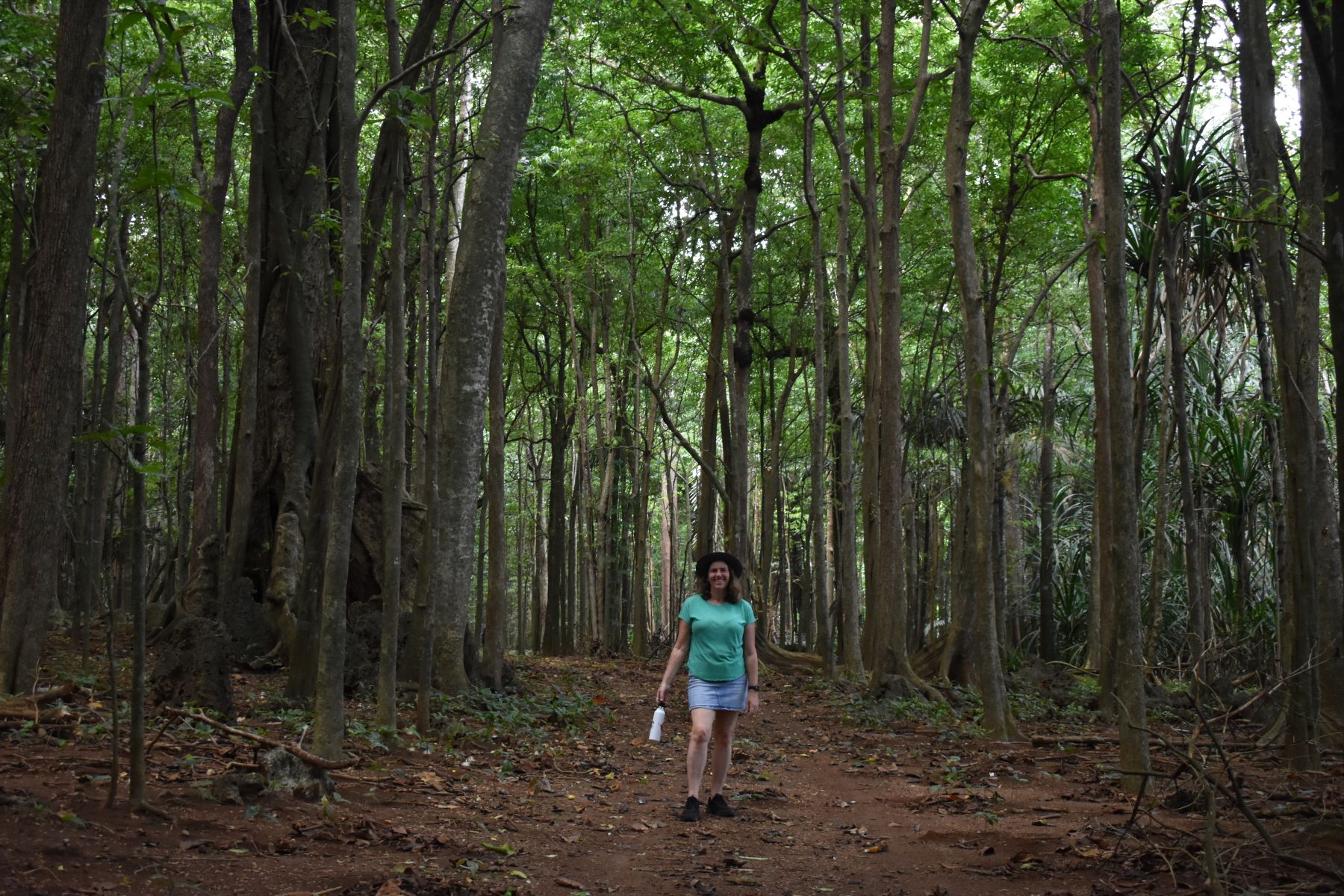
Christmas Island is not about luxury resorts, nightlife or packed itineraries. It is a place to slow down and reconnect with nature.

